A sauna has to do three things well: hold heat, manage moisture, and move air properly.
That sounds simple, but those results depend on decisions made before the visible interior takes shape. The wall assembly, vapor barrier, insulation, and ventilation plan all influence how the sauna performs once it is in use. If those details are planned correctly, the room feels consistent, efficient, and comfortable. If they are overlooked, the finished sauna may look right while still falling short in daily use.
Before building a sauna, it helps to understand how these hidden systems work together. A sauna functions as a complete heat, moisture, and airflow environment, and the best results come from planning it that way from the start. In this guide, you will learn what to consider before construction begins so your sauna is built for comfort, efficiency, and long-term performance.
Why Behind-the-Wall Planning Matters
Once your sauna is finished, the most important construction details are usually out of sight. That is why they need careful attention before the walls, ceiling, benches, and heater are installed.
A sauna creates a demanding environment. High heat, changing humidity, and repeated use all place pressure on the surrounding structure. The wall assembly, insulation, vapor barrier, ventilation path, and heater placement all need to work together so the room can perform consistently.
This planning affects the way your sauna feels from the first session. If heat escapes too easily, the room may take longer to warm up or struggle to maintain temperature. If moisture is poorly managed, it can move where it should not. If airflow is ignored, the room can feel stale or uneven.
Getting these details right early helps prevent avoidable compromises later. It also gives you a better foundation for the visible choices you care about, from wood species and bench layout to lighting, glass, controls, and accessories.
Vapor Barriers: Controlling Moisture Before It Becomes a Problem
Moisture control affects how your sauna protects the structure around it once heat and humidity build inside the room.
During a sauna session, heat and humidity build inside the room. Without the right barrier system, that moisture can move into the wall or ceiling assembly, especially in indoor installations where the sauna connects to finished living space. Over time, this can affect the structure around the sauna and reduce the quality of the build.
A vapor barrier helps manage that risk by limiting how moisture travels beyond the sauna interior. It also supports heat retention by creating a better separation between the hot sauna environment and the surrounding structure.
This is one of the details that should be handled as part of the full sauna design. The right approach depends on where the sauna is being built, how the walls are framed, what insulation is used, and how the room will be heated and ventilated.
Before you choose finishes, confirm how moisture will be controlled behind them. A clean cedar interior matters, but the unseen layers behind it help determine how well the sauna performs over time.
Insulation: Helping Your Sauna Hold Heat Efficiently
Insulation has a direct impact on how quickly your sauna heats up and how well it maintains temperature during a session.
When the walls and ceiling are properly insulated, the heater can warm the room more efficiently. The heat stays where it belongs, the temperature feels more consistent, and the sauna is easier to use as intended. Without the right insulation strategy, the heater may need to work harder, warm-up times may increase, and the room may feel less stable.

The ceiling deserves particular attention because heat rises. If the ceiling assembly is poorly insulated, valuable heat can escape before it fully contributes to the sauna environment. Outdoor saunas, basement saunas, and larger custom rooms may also require different insulation planning because each setting has different exposure, structure, and performance demands.
Insulation should be considered alongside room size, heater capacity, wall assembly, and ventilation. These decisions affect one another, so selecting materials in isolation can lead to compromises later.
Before the walls are finished, make sure the sauna has a clear insulation plan. A well-insulated sauna heats more efficiently, feels better during use, and supports reliable performance over time.
Ventilation: Keeping the Sauna Comfortable and Functional
Ventilation shapes how your sauna feels once the heat is on.
Fresh air needs a clear path into the room, and stale air needs a controlled path out. Without proper airflow, the sauna can feel heavy, stagnant, or uneven, even if the heater is correctly sized. Good ventilation helps support a more comfortable session by allowing air to move through the space as intended.
Vent placement matters. The location of intake and exhaust vents affects how heat circulates, how fresh air reaches the room, and how consistently the sauna performs. A small private sauna, a larger family sauna, an outdoor build, and an indoor wellness room may each require a different ventilation approach.
Ventilation also needs to be planned with the heater, bench layout, and room size in mind. If airflow is treated as a last-minute detail, the finished sauna may not feel as balanced or comfortable as it should.
Before construction begins, make sure ventilation is part of the overall sauna design. A well-planned airflow strategy helps the room breathe properly, distribute heat more evenly, and deliver a better experience each time you use it.
Why Sauna Design Should Be Planned Before Construction Begins
Sauna design decisions become harder to change once construction is underway.
The heater location, bench layout, insulation, vapor barrier, ventilation, electrical planning, door placement, and wall assembly all affect one another. If one detail is decided too late, it can limit your options elsewhere or create avoidable compromises in the finished space.
Planning early helps you make better decisions in the right order. Room size affects heater selection. Heater selection affects electrical requirements and airflow. Bench layout affects comfort and usable space. Indoor and outdoor locations create different construction demands.
This is where experienced sauna planning can make a difference. A sauna may look straightforward on paper, but the finished result depends on how well the full system is designed before materials are installed.
Before you begin construction, take time to confirm how the space will be built, heated, ventilated, and finished. A clear plan gives your sauna a stronger foundation and helps ensure the final build performs the way you expect.
Build a Sauna System That Performs for Years
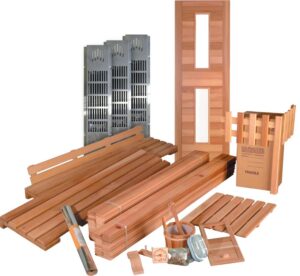
Saunacore offers several ways to approach a custom build, depending on your space, budget, and level of involvement. You can work with a fully custom sauna design, choose a pre-built or modular sauna, or use a DIY sauna liner kit when you already have a prepared space. That gives you flexibility without starting from a blank construction plan.
This is especially useful when you need the sauna to fit a specific room, outdoor footprint, cottage layout, basement, home gym, or wellness area. Instead of forcing standard materials into a custom space, Saunacore can help match the heater, wood package, bench layout, controls, doors, lighting, and accessories to the system you are building.
A better sauna starts with better planning. Saunacore’s custom sauna options give you a clearer path from concept to finished room, with the main components designed to work together from the beginning. Contact us today.